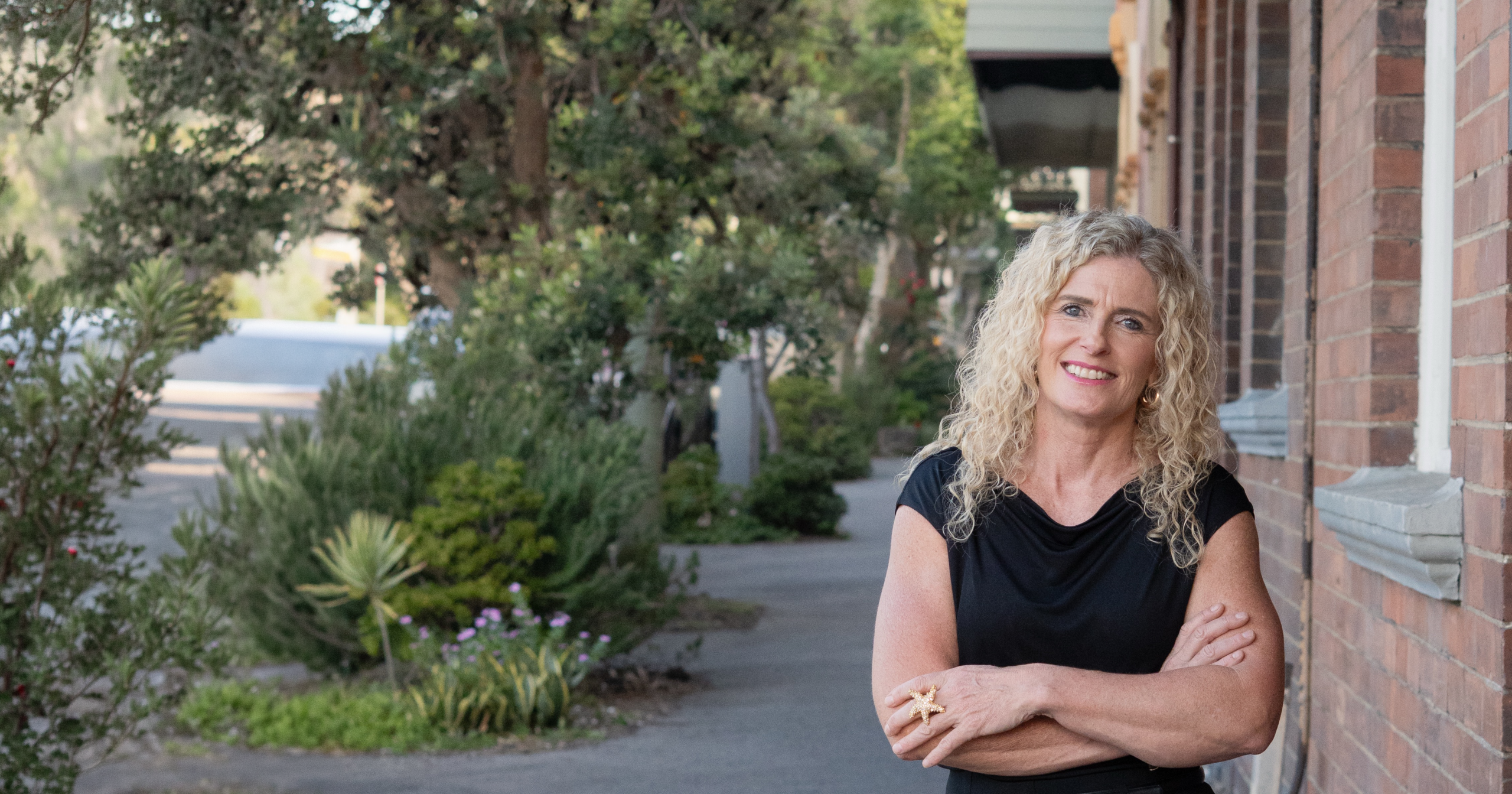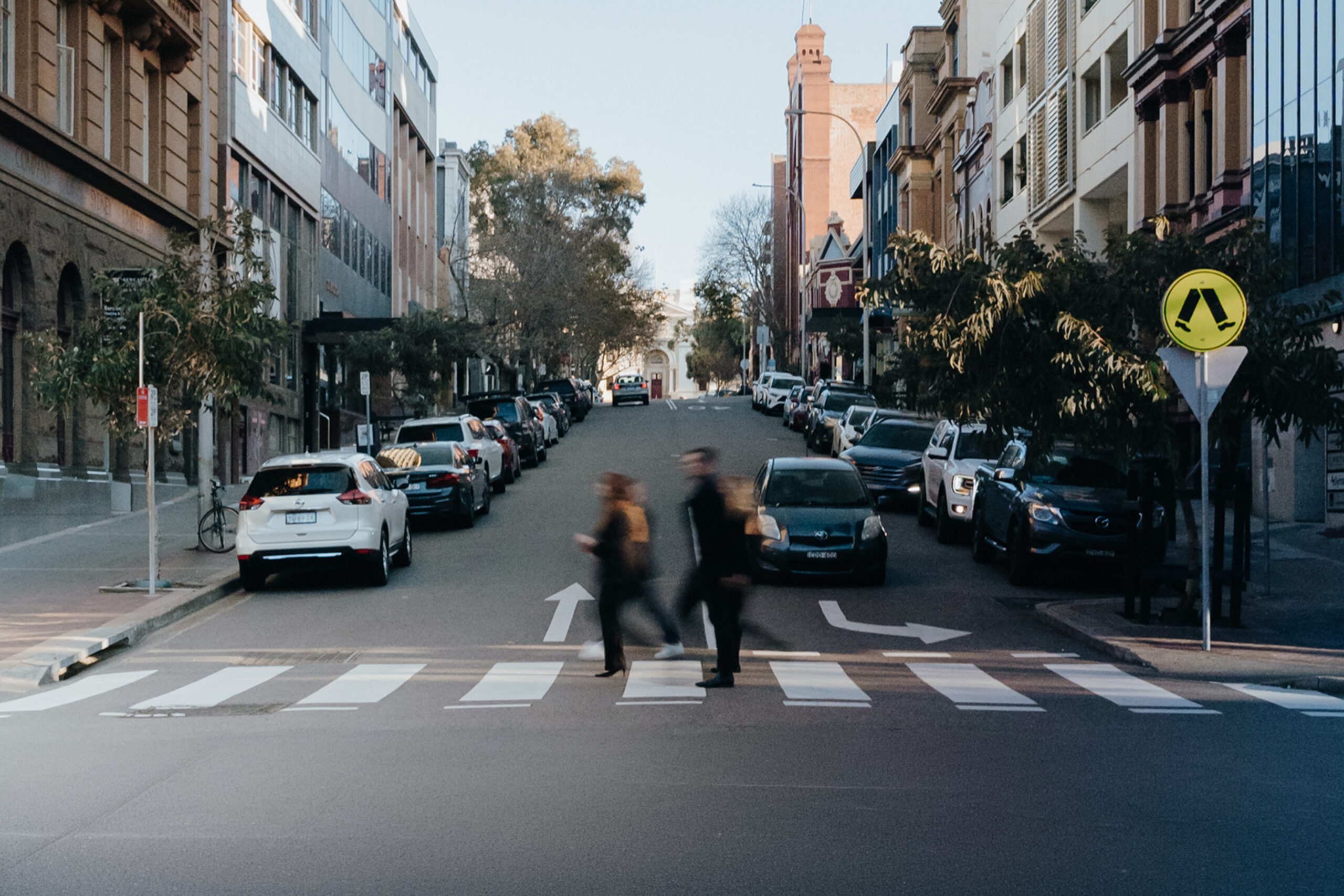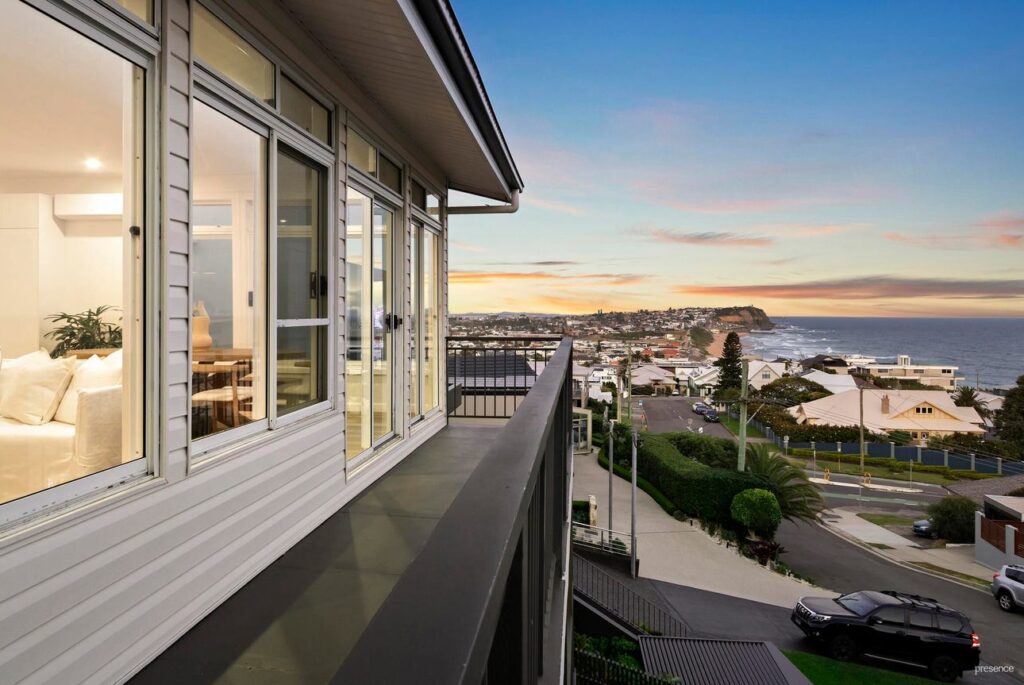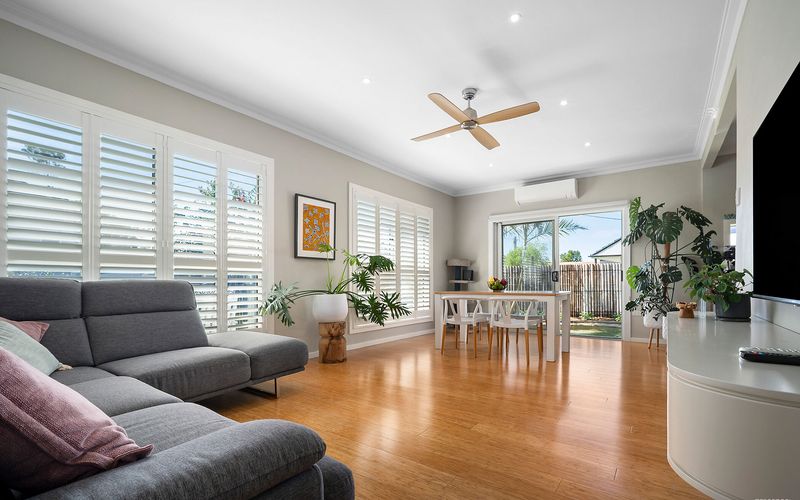



This month, we sat down with Presence CEO and Newcastle local, Mark Kentwell, to talk about how our city and real estate market has evolved during his time.
Mark, what was Newcastle like when you first started in real estate?
I got into real estate locally in 2005. At that point, we had just been through a recession in the 1990s, which had lasted most of the decade. There was a very short four-year boom from 2001 to 2004, with lots of government incentives to try and make up for the recession, and it was around then we decided to open our doors.
Now, when we opened, what we came into was a lot of uncertainty about the future in Newcastle.
The city was underpinned by some foundations, such as BHP, steel and coal but there hadn’t been a hell of a lot of change for a long time – after a heyday in the 1950s and some good times in the 80s, there wasn’t much on the roadmap for Newcastle, and it felt like we were a bit forgotten.
It wasn’t a positive outlook in 2005-2007. Interest rates were rising, the market had dropped, and the Hunter Street mall had shops leave, which put the nail in the coffin for the CBD. We had two shopping centres built out of town, with Charlestown Square and Garden City being upgraded to Westfield.
After that, not much had happened in CBD developments. People were leaving the city to move to the suburbs. A lot of people were leaving for jobs outside of Newcastle, and kids were growing up and going elsewhere to chase more exotic futures.
There wasn’t really a nightlife economy; it was a bit unsafe after dark, and there were lots of transport, topography and water table issues.
What key decisions and projects do you think started Newcastle’s transformation?
I started to see change in particular around 2011 and 2012 and to this day, I still believe the decade that has just passed has been the most transformative for Newcastle.
It all started with a few people getting together from the business community and the state government in particular, putting proper infrastructure and plans into place. The state government offered the port on a lease, which ended up with a Chinese consortium buying it for $1.75 billion, promising millions to go into our direct economy, which was incredible.
From that, we had the light rail project, which, though opposed by some, was an important change. It wasn’t just about moving people one and a half kilometres east and west along the CBD Harbour Fringe, it was a catalytic project that marked a time when we were getting rid of old steel rusted infrastructure and a barely-used train that divided our city .
You couldn’t walk between Hunter Street and the Hunter Street Mall down to the harbour, which was only 100 metres away. It was ridiculous. It would be like having Darling Harbour cut off by a big, ugly railway bridge with rocks, steel, and overhead bridges.
When that was removed, it opened up a whole bunch of opportunities. The economic analysis suggested it would bring private sector investment, which is exactly what happened.
Everyone talks about the cost-benefit analysis of how many people were catching the train, missing the point that when you open up a city and make it beautiful, it changes the entire experience.
Newcastle University came into town with Nuspace — a major project attracting a lot more people. The university’s business, law, and international investment faculties were key. The University bought the old Newcastle Courthouse, and Newcastle Development built a new, beautiful courthouse.
We also got the interchange terminal, which was huge. Now, we have a proper transport interchange. Height limits are getting increased, and we are seeing development along Honeysuckle Harbour, continuing what paused a little while back.
The Honeysuckle redevelopment led to the light rail project, the expansion of the airport, the cruise ship terminal, and university campuses moving into Newcastle.
Since then, the harbourfront has expanded with residential development and dining options, more of Bather’s Way is completed, the Supercars have given Newcastle a big advertisement, and we received a fighter pilot contract, which brought thousands of jobs. The hospital has also been upgraded and Hunter New England Health employs 12,000 people, and the University has grown.
Stay tuned for part 2 of this article coming soon, when Mark answers the critical question – will Newcastle continue to grow?