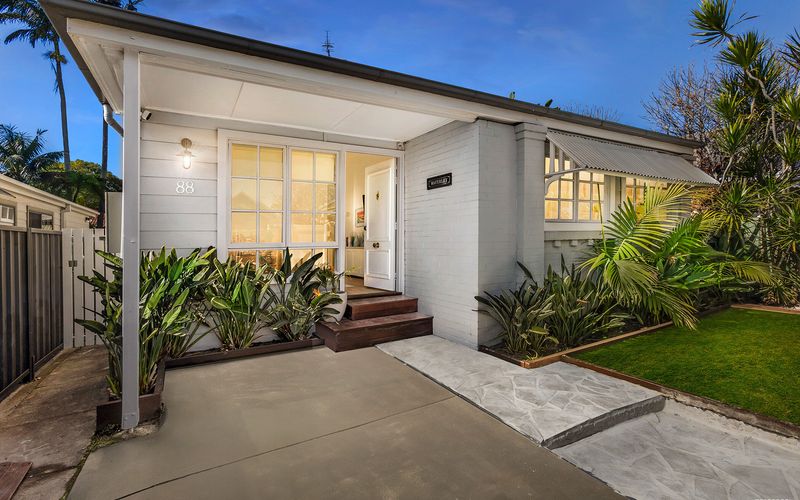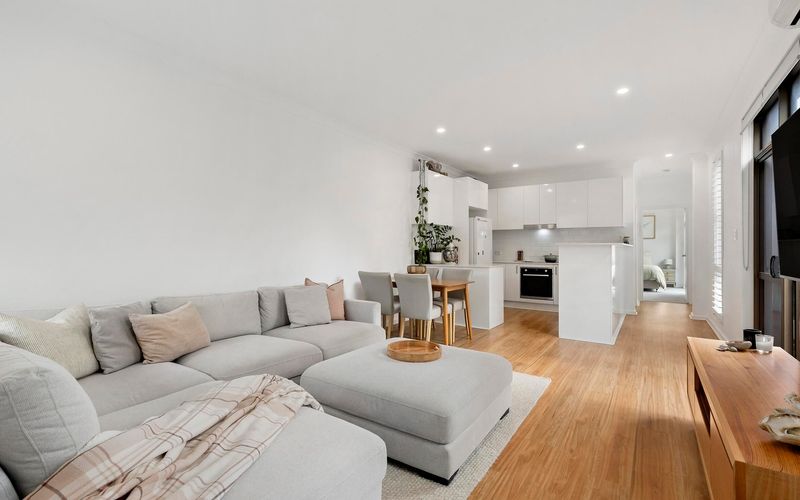



It’s settlement time! Congratulations, this is a wonderfully exciting moment for any new property owner. Before you collect the keys though, your settlement inspection makes sure the property matches the contract, agreed inclusions are in place, and any last fixes are identified clearly. Keep it calm, methodical and tick off every box.
What to bring
[ ] Phone (fully charged), torch, tape measure, notepad
[ ] Plug-in device (e.g. phone charger) to test power points
[ ] Marble/tennis ball to check falls on balconies and wet areas
[ ] Blue tape or Post-it notes to mark minor items for photos
[ ] This checklist and your contract/inclusions list
How to run the inspection
[ ] Work front-to-back, top-to-bottom, one room at a time
[ ] Photograph issues in order, number them in your notes, and send a single tidy list the same day
Quick whole-home pass
[ ] Turn lights on/off in every room; check dimmers don’t flicker or hum
[ ] Open/close every door, cupboard and drawer; check handles and soft-close
[ ] Run taps and showers together; check water pressure, hot water delivery and drainage speed
[ ] Start each appliance briefly; confirm the model/serial matches marketing/contract, listen for unusual noises
[ ] Slide every window and balcony door; check locks, keys and seals
[ ] Test every power point with a phone charger; test data points with a device if possible
[ ] Test any smart home control devices to ensure they work as described
[ ] Measure fridge cavity, washer space and key niches
[ ] Confirm parking and storage match the plan (size, position, number and access)
Agent-level checks most people miss
Services, compliance and safety
[ ] Hot water: confirm unit type (gas/electric/solar), isolation valve location, and temperature at taps.
[ ] Electrical board: open the switchboard, make sure circuits are labelled sensibly, test safety switches to confirm they trip and reset
[ ] Smoke alarms: press test button; note expiry/manufacture dates. Check for the required number and locations for the dwelling type
[ ] NBN/internet: identify connection type and location of the nearest powerpoint
[ ] Gas: locate meter and isolation; note meter number. If bottled gas, confirm bottle ownership vs rental and remaining credit
[ ] Water meter: locate and note meter number; check tap at meter turns off fully (no continuous spin = possible leak)
[ ] Solar: if applicable, photograph inverter (brand, model, serial), check it powers on and there’s no fault light; ask for app transfer details
[ ] Individual pool/spa: confirm compliance certificate (NSW), check pump/heater/salt-chlorinator run, timers work, fences self-close/self-latch, CPR sign present
[ ] Security and intercom: test keypad, siren, and motion sensors; photograph manuals/codes. Buzz yourself via intercom and confirm door release
Building and moisture
[ ] Balconies: drop a marble/ball; ensure a gentle fall to the drain. Look for ponding, hairline cracks at tile junctions, failed grout/silicone
[ ] Wet areas: check all silicone lines (shower screen, bath edge, vanity, splashback). Any gaps/mouldy silicone: photo and note re-seal
[ ] Windows and weep holes: confirm external weep holes are clear (no mortar/paint blockage). Check window sills for moisture staining
[ ] Roof and gutters (houses/townhouses): from ground level, look for obvious sagging, broken tiles, rusted gutters, or downpipes not connected
Finishes and fixtures
[ ] Flooring: walk edges for squeaks or drummy tiles; note transitions and any lifting laminate
[ ] Paint and plaster: small touch-ups are normal; flag fresh patching that hides moisture or movement
[ ] Blinds/shutters: run them fully; check cords are safely cleated (child safety) and slats tilt smoothly
[ ] Wardrobes: run tracks end-to-end; check mirrors for edge creep
[ ] Kitchen: check rangehood extraction (hold tissue to the filter), dishwasher runs and drains, oven seals intact, gas ignition/safety cut-off works
[ ] Laundry: confirm hot/cold taps don’t leak under pressure; check floor waste and that the machine space has an accessible tap and general purpose outlet (GPO)
[ ] Bathrooms: run shower for 2–3 minutes; look for external damp patches on the wall behind. Check toilet pan is firm (no rock), cistern doesn’t run on
[ ] Heating/cooling: power on each split/ducted zone; verify heating and cooling modes, and remote batteries
Site, access and storage
[ ] Parking: does the car space match the strata plan lot and measurements? Any overhangs, pipes or pillars that restrict door opening?
[ ] Garage: test remote(s), wall button, manual release, and auto-reverse on contact
[ ] Storage cage: confirm size, location and lock; check it’s cleared of previous items
[ ] Letterbox and keys: confirm mailbox number and key; count keys, fobs, remotes, window keys and swipe passes against the inclusions
[ ] Bins and building rules (strata): locate bin room/chute; check move-in booking requirements, lift protection pads and time windows
Inclusions and handover items
[ ] All inclusions per contract are present (e.g. dishwasher, curtains, fixed shelving, light fittings, TV brackets if listed)
[ ] All exclusions are removed and any damage from removal has been made good
[ ] Manuals, warranty cards, and receipts for appliances/air-con/hot water/solar/pool
[ ] Spare paint (labelled), spare tiles, grout/silicone colour codes, and extra floorboards if supplied by builder
[ ] Codes and logins transferred for alarms, door locks, garage, solar apps, intercom apps
[ ] Strata documents for by-laws that affect you immediately (e.g. pet approval letter, renovation approvals)
Utilities, readings and insurance
[ ] Photograph meter readings (electricity, gas, water) with time/date visible
[ ] Confirm your connections/transfer dates with retailers align to settlement
[ ] Ensure your home/building insurance timing aligns with your solicitor’s advice for your property type and state
Apartment-specific extras
[ ] Common areas: note visible defects that could impact your lot (e.g. roof leaks over your ceiling line) and pass to strata, not the vendor
[ ] Fire doors: unit entry and stair doors should self-close and latch without sticking; seals intact (no drilling/screw damage to frames)
House/townhouse-specific extras
[ ] Irrigation: run each zone; check timer programs and valve boxes
[ ] Exterior taps and drainage: run garden taps, look for pooling around slab edges
[ ] Fences and gates: open/close; check for encroachments that differ from what you saw at exchange
[ ] Outbuildings: power on lights and GPOs in sheds; check roof leaks
Red flags to escalate immediately
[ ] New water staining, active leaks, or mould that wasn’t present at exchange
[ ] Non-functioning hot water, oven/cooktop, or split system
[ ] Missing or substituted inclusions (e.g. different brand/model installed)
[ ] Structural movement you can see or feel (doors newly jamming, large fresh cracks)
[ ] Safety issues: missing smoke alarms, exposed live wiring, broken balustrades
How to report issues
[ ] Keep one list: numbered items with a short description, location and one photo per item
[ ] Sort by impact: safety/essential services first, then functionality, then cosmetics
[ ] Send the same day to your agent and solicitor/conveyancer
[ ] Be precise: e.g. ‘Item 3 – ensuite shower: water trails under screen, silicone gap at wall junction, photo 3.’
[ ] Agree actions in writing: repair before settlement, retention/allowance at settlement, or vendor undertaking to remedy. Your solicitor will advise the best path
Final five-minute exit check
[ ] All windows/doors lock with keys provided
[ ] All appliances off; no taps dripping; hot water back on if you turned it off to check isolation
[ ] Rubbish removed; property left clean and clear
[ ] Keys/fobs/remotes counted and listed
This is practical guidance only, not legal or financial advice. Always follow your solicitor/conveyancer’s instructions.